
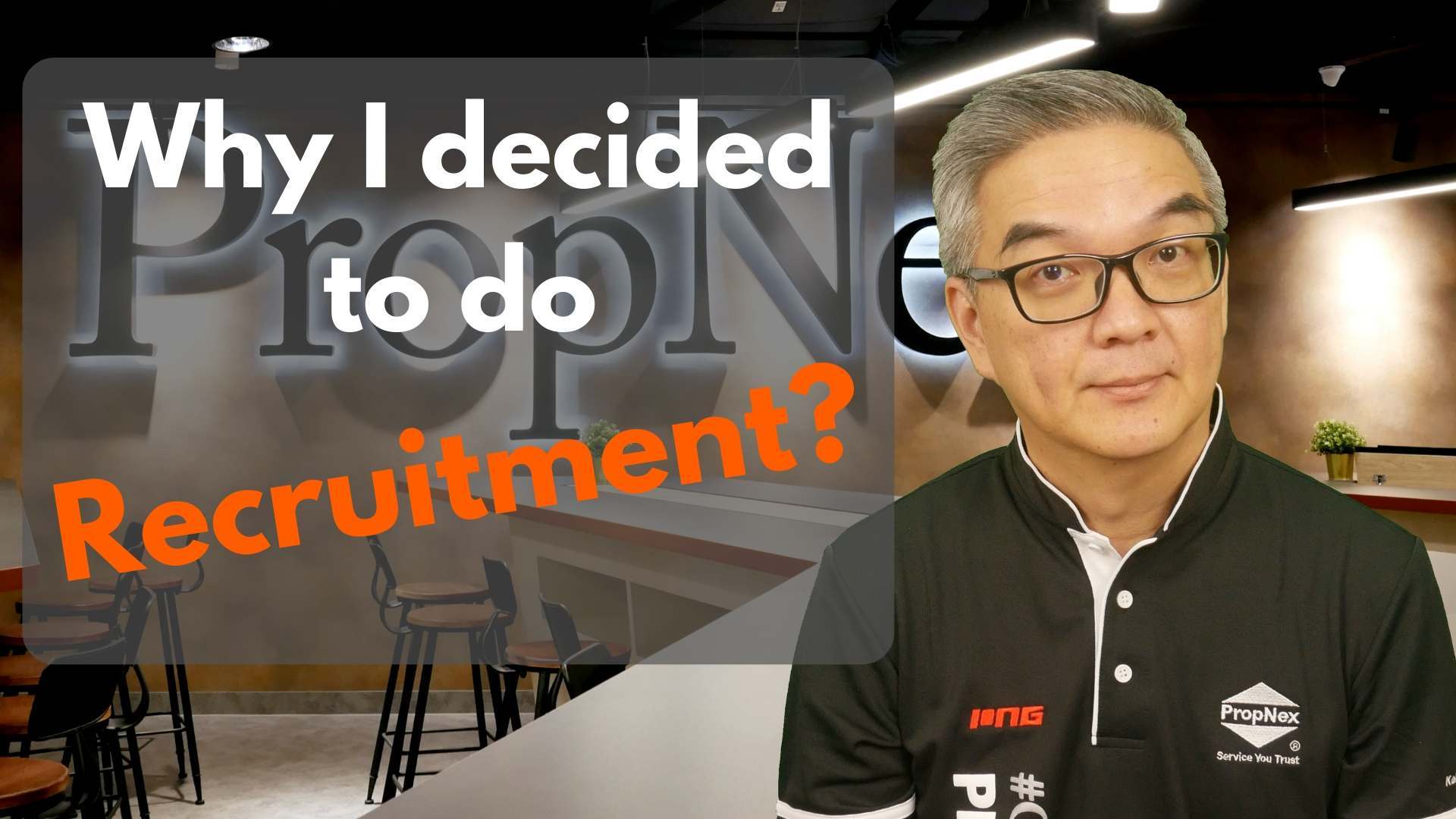
For me, recruiting property agents is about paying it forward. That was the message behind my original sharing on this subject, and it remains the starting point for this conversation.
Choosing where to build a real estate career deserves thought. Before discussing a move, it helps to understand the person: their experience, the difficulties they are facing and what they want from their next stage.
This article explains that perspective and offers questions you can use when considering a team. It is not a promise of income or a substitute for checking the actual working arrangements.
Paying it forward starts with listening
A useful career conversation should give someone room to explain their situation. A new salesperson may be unsure how to organise the first few months. An experienced agent may have plenty of activity but need to understand why it is not producing the progress they expected.
Those are different starting points. Advice is more useful when it addresses a specific problem than when everyone receives the same encouragement.
Before deciding that changing teams is the answer, identify what needs to change. Is it your knowledge, spending, routine, client focus or access to appropriate guidance? Sometimes the most useful first step is a clearer diagnosis.
Look beyond the recruitment presentation
When considering any team, ask how the relationship would work in practice. General statements about training and support are a starting point for questions, not enough information to make a decision.
- Who would be your usual point of contact?
- How would you obtain help with an unfamiliar situation?
- What learning opportunities are available, and what do they cost?
- How are responsibilities divided when agents work together?
- What participation or activity is expected of you?
- Which arrangements will be documented before you commit?
Ask for a concrete example where possible. A description of how a typical case discussion works can tell you more than a broad claim about having a supportive culture.
Be clear about what you bring to the relationship
Guidance is most useful when you prepare, ask questions and act on feedback. Consider how much time you can commit, which skills you need to develop and whether your current routine supports the kind of practice you want.
You do not need to arrive with all the answers. You do need an honest account of where you are. Explain the work you have tried, what happened and what remains difficult.
If you are new to real estate, start with the guide to becoming a property agent in Singapore. Keep entry and registration requirements separate from your choice of team.
Discuss money and expectations openly
Before joining or moving, understand the applicable agency and team arrangements. Ask about fees, commission sharing, recurring subscriptions, marketing costs and any commitments attached to services or programmes.
Clarify whether leads are provided, how any allocation works and what conditions apply. Do not budget on the assumption that a team will supply a steady flow of business unless the actual arrangement supports that expectation.
Personal success stories can be encouraging, but they do not establish what you will earn. Your costs, available time, experience and client opportunities may differ. A career decision should still make sense without assuming another person’s results will become your own.
Professional judgement matters as much as business growth
Good career development should help an agent recognise when to check information, seek guidance and explain uncertainty to a client. Growing a business also means building habits that protect the quality of the service.
Ask how professional questions are handled and how agents are encouraged to keep their knowledge current. You should be able to raise a concern without feeling that a transaction target must take priority.
For a practical discussion, bring a scenario you found difficult. You can learn something about the working relationship from the questions asked, the limits acknowledged and the next steps suggested.
Prepare for a useful first conversation
- Your starting point: Your background, experience and current stage.
- Your main challenge: One or two specific issues you want to work through.
- Your priorities: What you want from a working relationship and what matters to you.
- Your timing: Whether you are exploring or considering a move soon.
You can also use our guide to setting realistic property agent career goals to organise your thoughts. If you are beginning your practice, the new agent priorities checklist provides another useful starting point.
A conversation should help you assess the fit
Recruitment involves a decision on both sides. Ask your questions, compare the answers with your priorities and take time to understand the terms. If there is a suitable next step, clarify it rather than relying on assumptions.
Paying it forward is a reason to begin the conversation. A clear understanding of the working relationship is what helps you decide whether to continue.
Tell us about your next chapter
If you are exploring a career in real estate or reviewing your current practice, share your background and questions with Francis and Hui Ming at Ming Property.
Explore more agent career guides →
By Francis Lim. Reviewed 8 October 2026. Personal perspective and general career guidance. Confirm current agency and team terms before making a decision; no income or business outcome is guaranteed.